Toilet Parts and Spares
Most toilet problems come down to a handful of wearing parts — a seal, a valve, a button or a seat. Knowing what each part does makes it easy to fix a leak or a weak flush without replacing the whole suite, and to keep an older toilet running for years.
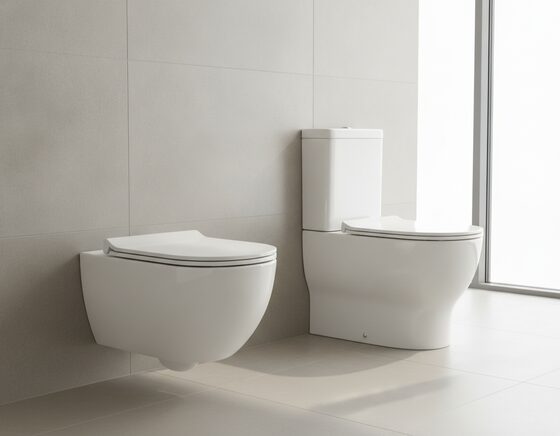
The parts that wear
Inside the cistern, an inlet (fill) valve controls how the tank refills and an outlet (flush) valve with a rubber seal releases the water. A running or slow cistern is usually one of these. On the pan, the connector and pan collar seal the toilet to the waste, while the seat and hinges take daily wear. Buttons and flush plates can also be replaced on their own if the mechanism still works.
Matching a replacement
The trick with spares is compatibility. Note the cistern type and flush mechanism and, for a seat, measure the fixing hole spacing and the bowl shape so a new seat sits correctly. Dual-flush buttons and valves come in different fittings, so match the thread and height. If a suite is very old, some parts are universal while others are specific — a photo of the mechanism helps when you’re comparing options.
When to repair vs replace
A new seal, valve or seat is a cheap, quick fix that restores performance. But if the ceramic is cracked, the glaze is heavily stained, or you’re chasing repeated faults, it can be more economical to replace the suite — and a newer rimless, dual-flush pan will use less water and clean more easily.
Get advice locally
If you’re maintaining or upgrading a bathroom in the Illawarra, you can explore a range of toilet suites at Just Bathrooms, a local showroom near Wollongong, for advice on whether to repair or replace.