Basins Without an Overflow
Many modern basins skip the small overflow hole near the rim for a cleaner, more minimal look. A no-overflow basin has an uninterrupted bowl — but it changes the waste you need and how you use it, so it's worth understanding before you choose.
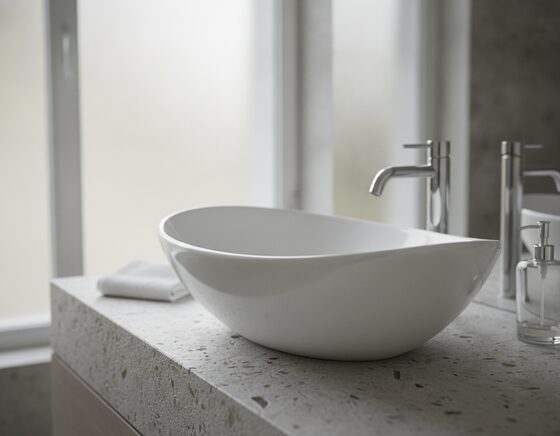
What “no overflow” means
The overflow is the little slot that lets water drain away if a tap is left running. Leaving it out gives a smoother, more sculptural bowl, which is why designer and above-counter basins often go without one. The practical trade-off is that there’s no backup if the basin is overfilled, so it suits considered, adult bathrooms more than a children’s family bathroom.
Matching the right waste
This is the key detail: a no-overflow basin must be fitted with an unslotted waste. A slotted waste (designed to let overflow water through) paired with a no-overflow basin can weep or drain poorly. Confirm you have an unslotted pop-up or plug-and-waste before installing, and check the tail length suits your trap.
Living with one
No-overflow basins are easy to keep clean — there’s no overflow channel to trap grime and discolour over time. Just be mindful not to leave the tap running with the plug in. For a busy household, weigh the sleeker look against the convenience of an overflow.
Compare basins in person
On the NSW South Coast, you can explore a range of vanities and basins at Just Bathrooms, a local showroom, to see overflow and no-overflow designs side by side.