Laundry Tubs and Troughs: Sizing and Install Guide
A good laundry tub does the jobs a washing machine can't — soaking, hand-washing, filling buckets and rinsing muddy boots. Whether freestanding on a cabinet or dropped into a bench, the right tub keeps the utility area practical and tidy. This guide walks through choosing a size and getting the install right.
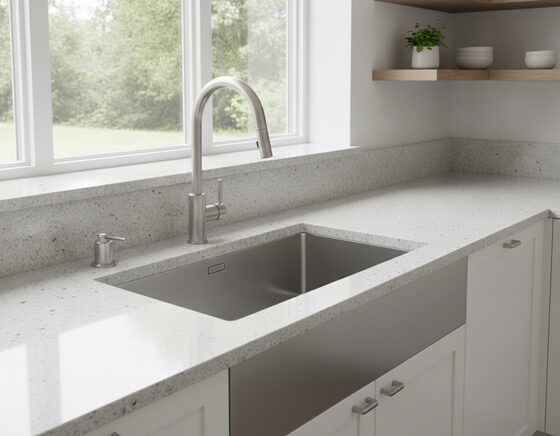
Freestanding versus cabinet tubs
A freestanding tub on a slimline stand is quick to install and leaves the plumbing easy to reach, which suits a compact or budget laundry. A cabinet tub adds storage below for detergents and cleaning gear, hiding the pipework and giving a neater finish. Choose based on whether you value open access and simplicity or enclosed storage and a built-in look.
Sizing for the work you do
Tub capacity should match the household. A single, active family that soaks sports gear and hand-washes will appreciate a deeper, larger bowl, while a small household may be fine with something compact. Consider bench space either side for sorting and folding, and make sure the tub is deep enough to fill a bucket under the tap without splashing over the front.
Installing it well
Set the tub at a comfortable working height so you’re not stooping, and confirm the waste and trap line up with the existing plumbing. Allow for a bypass connection if the washing machine drains into the tub’s waste. A wall-mounted or gooseneck laundry mixer clears a deep bowl and makes filling buckets easier. Seal any join to the wall to keep splashes out of the cabinetry.
Comparing laundry tubs
Sizes, depths and cabinet options vary widely. Explore the range of sinks and tubs at Just Bathrooms, a showroom in the Illawarra region, to find a tub that fits your laundry.