Laundry Tub and Cabinet Combinations
A tub-and-cabinet unit combines a deep laundry sink with a cupboard underneath, turning an awkward corner into a genuine work station. It gives you somewhere to soak, rinse and scrub while hiding cleaning gear, pipework and buckets out of sight. For most laundries it is the single most useful fitting you can install.
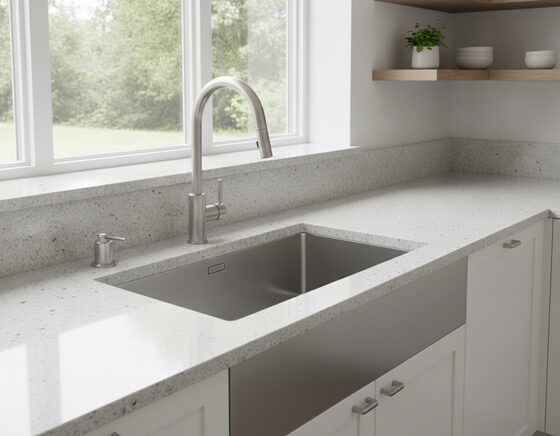
Why pair the tub with a cabinet
A standalone tub on legs leaves the space beneath it exposed and rarely tidy. Building the tub into a cabinet reclaims that volume for storage and neatens the whole run. The cupboard swallows detergents, pegs and a mop bucket, while the solid front conceals the trap and supply lines. If your laundry doubles as a mud room or drop zone, that concealed storage quickly earns its keep.
Tub depth and capacity
Laundry tubs are deeper than a kitchen sink for a reason — you want room to hand-wash a jumper or fill a bucket without splashing everywhere. A 45 to 70 litre bowl handles most household jobs. Look at the internal depth as well as the stated capacity, and check the bypass connection if you plan to plumb a washing machine outlet through the same waste.
Finishes and fit-out
Cabinet fronts in a moisture-tolerant laminate or a wrapped finish stand up best to a damp room. Decide whether you want a single full-width door or a pair, and confirm the cabinet width suits your available wall before you commit. Matching the tapware and waste to the tub keeps the installation straightforward.
See a working set-up in person
Planning a laundry refresh on the NSW South Coast? You can view the range of sinks and tubs at Just Bathrooms, a local showroom, and see how the tub and cabinet go together before you decide.